




-
Service:
Date:
Time:
Location:
Extras:
Diabetes test
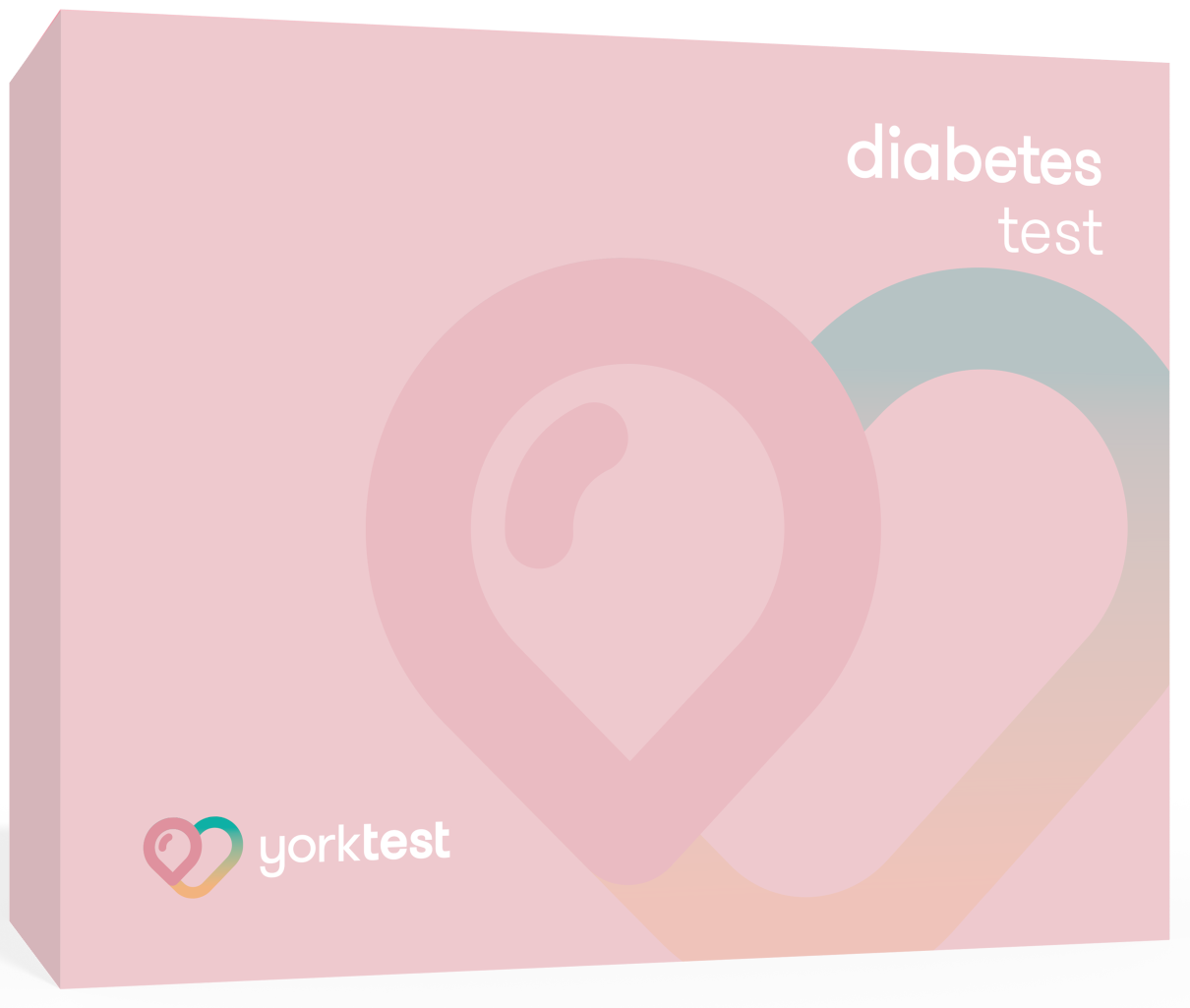
Diabetes test
Our Diabetes Test measures your HbA1c levels and is a reliable risk indicator for developing pre-diabetes and diabetes.
Along with measuring your HbA1c level in your blood, you will also receive guidance on how to lower your level to decrease your risk of developing diabetes and how to take small steps to improve your health and well-being.
Haemoglobin (Hb) molecules, a component of the red cells in the blood, contain iron and carry oxygen around the body, delivering it to cells. Meanwhile, the bone marrow produces red blood cells, including haemoglobin, which live for around three months. During its life, glucose molecules, one by one, âstickâ to the haemoglobin molecules. For instance, the more glucose in the bloodstream, the more sticks to the haemoglobin.
Research has shown that the amount of HbA1c in the blood closely reflects the average level of glucose circulating in the blood over the last three months.
Monitoring HbA1c, therefore, allows for early detection of risk for diabetes and associated conditions.
Over a while, high glucose levels in your blood can seriously damage your heart, eyes, feet, and kidneys. These are the most common complications of diabetes. Having diabetes increases your risk of the following:
This test is also suitable for those who are suffering from the following symptoms:
The Diabetes Test is a quick and easy home-to-lab finger-prick blood test that measures glycosylated haemoglobin A1c (HbA1c) levels in your blood. Also, HbA1c measures your average blood glucose (sugar) levels over the past three months. As a result, this test is a helpful indicator and allows for early detection of risk for diabetes.
Along with measuring your HbA1c level in your blood, you will also receive guidance on how to lower your level to decrease your risk of developing diabetes and how to take small steps to improve your health and well-being.
- Our expert laboratory performed our clinically proven test, assessing your glycosylated haemoglobin A1c (HbA1c) levels in your blood with a simple home-to-laboratory blood test.
- Since 1996, the number of people diagnosed with diabetes in the UK has risen from 1.4 million to 3.5 million. Besides, around three in five cases of type 2 diabetes can be prevented or delayed by maintaining a healthy weight, eating well and being active.
What is glycosylated haemoglobin a1c hba1c?
Much of our food is turned into glucose for our bodies to use for energy. However, the pancreas makes a hormone called insulin to help glucose get into our cells. When you have diabetes, your body either doesnât make enough insulin or canât use it as well as it should. Further, this causes glucose to build up in your blood.Haemoglobin (Hb) molecules, a component of the red cells in the blood, contain iron and carry oxygen around the body, delivering it to cells. Meanwhile, the bone marrow produces red blood cells, including haemoglobin, which live for around three months. During its life, glucose molecules, one by one, âstickâ to the haemoglobin molecules. For instance, the more glucose in the bloodstream, the more sticks to the haemoglobin.
Research has shown that the amount of HbA1c in the blood closely reflects the average level of glucose circulating in the blood over the last three months.
Monitoring HbA1c, therefore, allows for early detection of risk for diabetes and associated conditions.
Why is this a vital health check?
Several factors can cause high blood glucose levels, leading to high HbA1c levels.Over a while, high glucose levels in your blood can seriously damage your heart, eyes, feet, and kidneys. These are the most common complications of diabetes. Having diabetes increases your risk of the following:
- Cardiovascular disease
- Kidney Disease
- Eye Disease
- Amputations
- Depression
- Neuropathy (damage to the nerves)
- Sexual dysfunction
- Complications in pregnancy
- Dementia
- Reduced life expectancy and increased mortality
Who is the diabetes test suitable for?
Diabetes tests are suitable for a wide range of people, including:- Those who are overweight are concerned about developing diabetes. (Please note: not all people with diabetes are obese, but statistics show that 80-85 per cent of people diagnosed with type 2 diabetes are overweight. The fatter and the more inactive you are, the higher your risk.);
- People of South Asian descent and African-Caribbean or Black African descent;
- Women with a waist measurement higher than 31.5in (80cm) have an increased risk of diabetes;
- Men: White or Black men with a waist of 37 inches (94cm) or more have an increased risk of developing type 2 diabetes. For Asian men, the figure is 35in (90cm) or more;
- those with a family history of diabetes. The closer the relative is, the higher the risk.
This test is also suitable for those who are suffering from the following symptoms:
-
- Tiredness
- Lethargy
- Blurred vision
- Cuts or sores that take a long time to heal
- Itching skin or yeast infections
- Excessive thirst, dry mouth
- Frequent urination
- Leg pain
Philippa Davis
29 May 2020