

-
Service:
Date:
Time:
Location:
Extras:
Pseudomonas aeruginosa
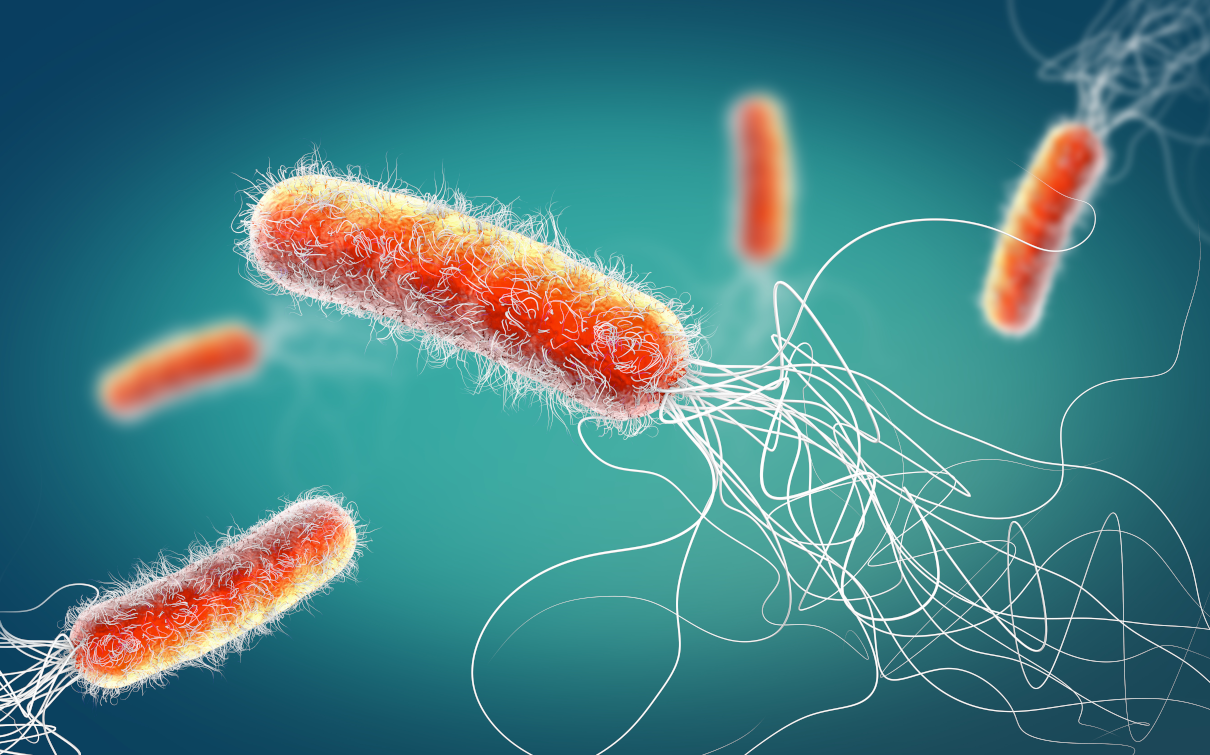
Pseudomonas aeruginosa is the blue bacillus, the primary pathogen of human infectious disorders. The microorganism can be isolated from the intestines of 5% of healthy people and up to 30% of patients. Besides, bacilli can be everywhere.
Infection
It can survive in water for about a year (at 37 °C). Sometimes, it is also part of healthy human microflora. Moreover, it can be on the grain skin, armpit skin, and ear skin in healthy individuals (up to 2% of people), on the nasal mucous membrane (about 3%), in the pharynx (about 7%), and in the digestive tract (3-24%).
Effects
Pseudomonas aeruginosa contamination gives rise to 15-2-% nosocomial infections. Besides, it’s responsible for one-third of all urogenital disorders in urogenital patients. Moreover, it causes 20-25% of purulent surgical infections and primary gram-negative bacteriemia. Patients with burns or bladder disorders, especially those taking antibiotics long enough, are at risk. It is a distinct chemoorganotroph and a strict aerobe.

Mini Detox PLUS – 3 colonics, minerals, herbal & probiotic implants
The ideal pattern of colonic treatments includes three alkalising colon hydrotherapy treatments with sodium bicarbonate, one anti-parasitic implant on the first treatment, one liver and gall bladder stimulating herbal implant on the second treatment, and a high-strength probiotic implant on the third colonic.
£443.40 or £372.26 if booked on-line
Clinical manifestations of Pseudomonas aeruginosa
Like other aerobes, it also synthesises cytochrome oxidase (indophenol oxidase). Pigment formation is a specific sign of great diagnostic importance (with 70-80% clinical isolators)âthe phenazine pigment pyocyanine colours the blue-green nutrient medium, wound discharge, and bandaging materialâtoxin formation. The pathogenic effect has exotoxin properties. Further, releasing endotoxins leads to the destruction and disintegration of the bacterial cells.
Clinical manifestations for Pseudomonas aeruginosa. High invasiveness is not typical. However, the ubiquitous prevalence of the bacillus makes it the primary pathogen of wound infections and complications. These infections, especially those in hospitals, run a grave course, and septicemia is fatal for 35 to 75% of patients.

Food intolerance test of 208 ingredients
This is our most comprehensive food and drink test. It analyses your clientâs IgG antibody reactions to 208 food and drink ingredients. This test will highlight their food triggers and help you formulate an IgG-guided elimination diet together.
£199.00 £159.00