

-
Service:
Date:
Time:
Location:
Extras:
Oncology of intestinal polyps
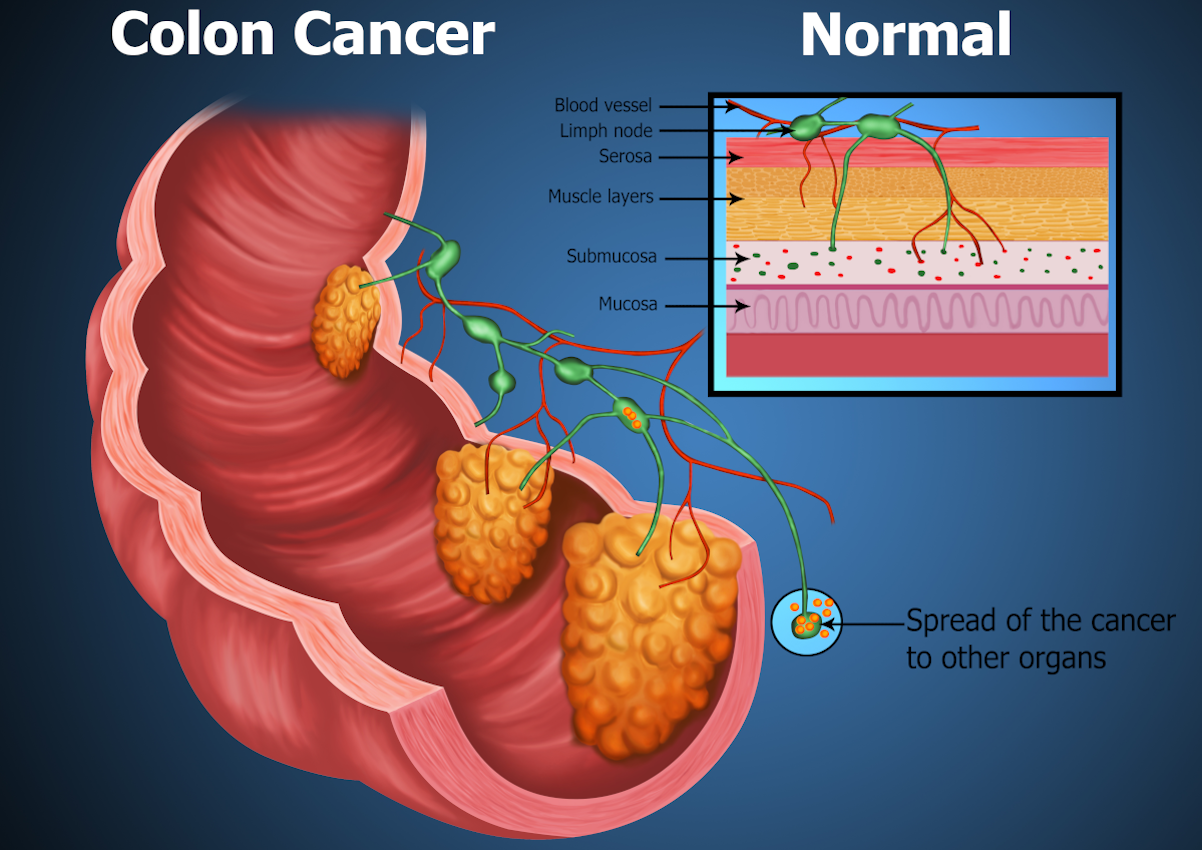
Polyps on the intestinal walls rarely cause symptoms, but they can eventually become malignant tumours. Therefore, it is better to get rid of polyps, and a doctor’s consultation is necessary if they are detected.
Intestinal polyps are small benign neoplasms that grow asymptomatically on the inner mucosa.
Intestinal polyp – oncology?
Doctors detect polyps in the large intestine sometimes. It is a fairly common disease, affecting 15 to 20% of people. The size of polyps is usually less than 1 cm but can reach several centimetres. They grow alone or in groups. Some outwardly look like small bumps. Others have a thick or thin leg with a seal shaped like a mushroom or a bunch of grapes.
Intestinal polyps – oncology? Not yet. Polyps themselves are benign growths that rarely worsen a person’s well-being. But they can transform into malignant, ill-treatable tumours.
Intestinal polyps, oncology and risk factors
It is still unknown precisely why the cells suddenly begin turning into atypical cells and forming tumours. Analysis of the incidence helped to identify factors that increase the risk of polyp growth:
- age over 50 years;
- inflammatory bowel disease (Crohn’s disease, ulcerative colitis);
- smoking;
- alcohol consumption;
- excess weight;
- sedentary lifestyle;
- Type II diabetes is difficult to treat;
- Heredity is the most significant factor.

Mini Detox PLUS – 3 colonics, minerals, herbal & probiotic implants
The ideal pattern of colonic treatments includes three alkalising colon hydrotherapy treatments with sodium bicarbonate, one anti-parasitic implant on the first treatment, one liver and gall bladder stimulating herbal implant on the second treatment, and a high-strength probiotic implant on the third colonic.
£443.40 or £372.26 if booked on-line
The number of relatives with such a disease also matters. However, multiple cases of polyposis in the family are sometimes not associated with genetic factors.
Polyps rarely signal their presence with symptoms.
Maintaining the body
The only practical way to get rid of polyps is surgical removal, which is swift and painless. When a polyp is detected, the doctor inserts a tool into it and injects a small liquid into the intestinal wall under the polyp so that the borders of the neoplasm are visible.
Then, a unique nozzle loop captures the polyp, tightens its leg, and cuts off the intestinal wall, passing an electric current around the loop. By maintaining the body’s health, colonic hydrotherapy can help prevent intestinal polyps, oncology, and other pathologies.
Food intolerance test of 208 ingredients
This is our most comprehensive food and drink test. It analyses your clientâs IgG antibody reactions to 208 food and drink ingredients. This test will highlight their food triggers and help you formulate an IgG-guided elimination diet together.
£199.00 £159.00