

-
Service:
Date:
Time:
Location:
Extras:
Mouth
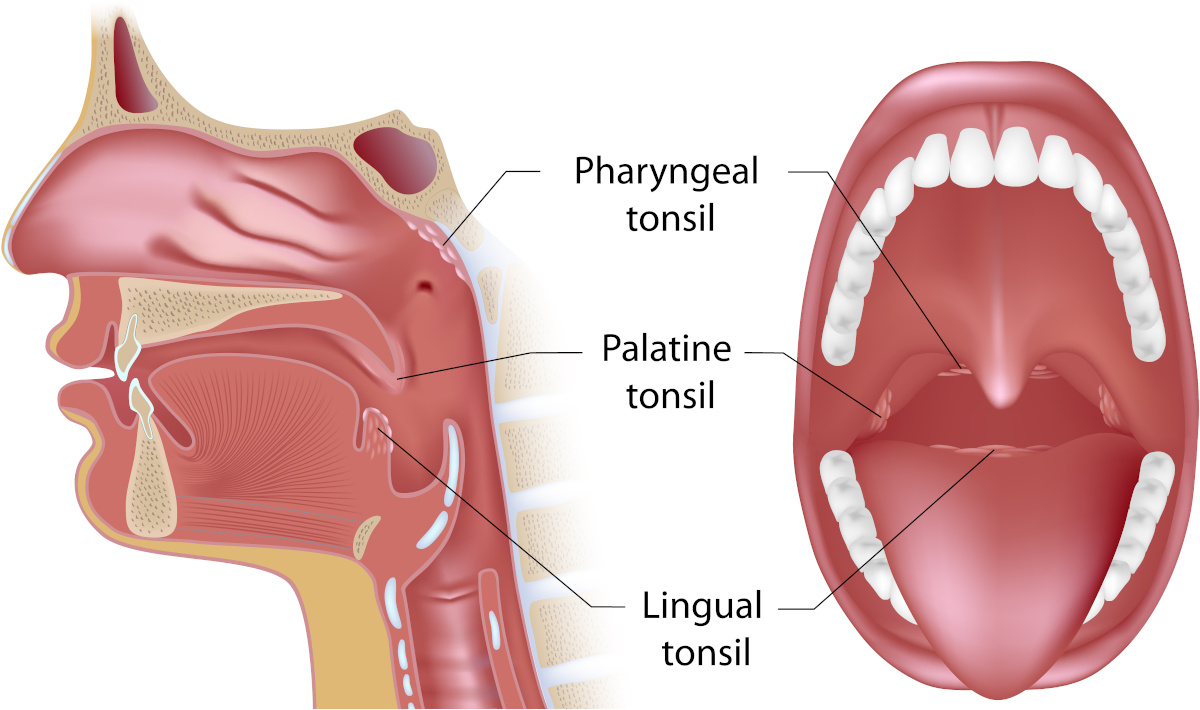
The mouth is the alimentary tract’s first division, whose principal function is to get food into the system. Chewing (mastication) mechanically breaks down non-liquid food, helping mix food with saliva, allowing for comfortable swallowing and further digestion to reach a complete state.
Alkalising colonic irrigation with sodium bicarbonate
Safe and effective colon hydrotherapy includes an initial consultation. Consequently, sodium bicarbonate delivered to the colon through hydrotherapy can kill off Candida.
£119.43 or £107.99 if booked on-line
Mouth functions
Three paired glands, the parotid, submandibular and sublingual salivary glands, produce saliva. To clarify, it consists of 99.5% water. Further, the rest are plasma salts and proteins (some are enzymatic). The following is a list of several functions of saliva:
- The mucoprotein content aids in lubricating the mouth and in swallowing:
- Its bicarbonate and phosphate buffer systems maintain a slightly acidic environment in the oral cavity.
- The water content acts as a solvent, which makes taste possible.
- Its lysosome component prevents bacterial buildup in the oral cavity.
- Its amylase (ptyalin) content initiates the digestion of carbohydrates.
However, digestion in the mouth is inefficient, as amylase works best in neutral or slightly alkaline conditions. Besides, food is present in the mouth for only a short period. Similarly, we call rugae the irregular rough ridges or folds on the hard palate, the roof of the mouth.
Food intolerance test of 208 ingredients
This is our most comprehensive food and drink test. It analyses your clientâs IgG antibody reactions to 208 food and drink ingredients. This test will highlight their food triggers and help you formulate an IgG-guided elimination diet together.
£199.00 £159.00