

-
Service:
Date:
Time:
Location:
Extras:
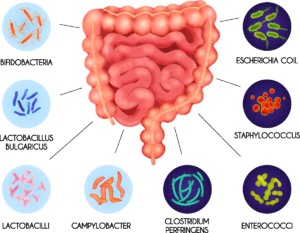
Useful intestinal microflora
The intestine is the digestive system organ absorbing nutrients from the food you eat into the blood. The whole organ includes both the small and large intestines. The small intestine digests the food, while the large intestine absorbs water from the undigested remnants, forming a stool.

Detoxification of the intestine
The intestine is a vital organ in the body, as it holds approximately 80% of all elements and microorganisms that are part of the body's immune system. These bacteria contribute to your metabolism and protection against toxins. Scientists indicate digestive disorders by inspecting the condition of the skin, liver and many other organs. Detoxification of the intestine needs.
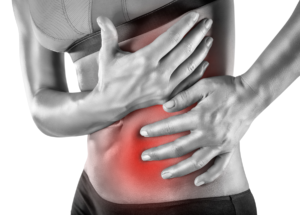
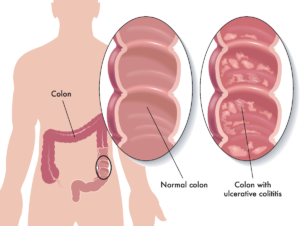
Inflammation of the intestine
Constant abdominal cramps, diarrhoea, and constipation are common and familiar to almost everyone. Those who experience these symptoms do not always find it necessary to go to the doctor, as most assume that simple and easily curable digestive disorders cause them.
Streptococcus Agalactia
Group B streptococci or STREPTOCOCCUS AGALACTIA colonize the nasopharynx, digestive tract and vagina. Most isolators are identified as S. agalactia. Even though the microorganism can be isolated from the vagina in 25-45% of pregnant women, the main reservoir is the digestive tract.
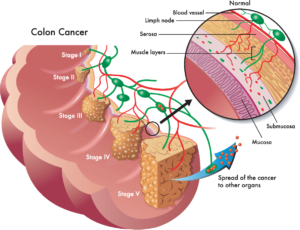
Colonic irrigation – prevention
Colon cancer appears more frequently in women, and rectal cancer is higher in men. Periodic cleansing would minimise the exposure of potential carcinogens to the colon walls, dilute the toxin concentration in the cecum and facilitate the removal.

Medical professionals verify colonic irrigation value by prescribing it
Colonic irrigation is the perfect cleansing medium for preparing the patient for a colonoscopy. It's a much better way of getting the human colon ready for an operation than having a patient swallow a gallon of that usual presurgery solution known as 'Colon-GoLYTELY.'

Common concerns about colonic irrigation
Laxatives act as chemical irritants and stimulate the muscular walls of the colon to abnormally contract to expel the irritating substances. It is straightforward to become dependent upon these drugs and permanently destroy the normal ability of the colon to eliminate naturally on its own accord. The oral route of administration is the least optimal method of evacuation of the large intestine. Vital digestive processes occurring higher up in the alimentary tract (stomach and small intestine) are interfered with. Most laxatives and other cathartics precipitate dehydration in the patient. Colonic irrigation alternately fills and empties the colon and improves the patient's hydration status. What Common Concerns About Colonic Irrigation?
Theory of colonic irrigation
Theory Of Colonic Irrigation is an extended and more complete form of an enema. The concept involves the mechanical process of infusing warm filtered water into the rectum to clean and balance the colon. This procedure removes faecal material from colon walls and dilutes the bacterial toxin concentration in the large intestine.
Shankaprakshalana – the intestinal wash
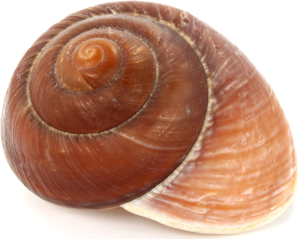
The ancient yogis conceptualized the digestive system as being like a conch. In other words, it is a long spiral-like passageway through which food travels. To clean out the whole digestive system from the mouth to the anus, they invented/discovered a wonderfully clever but straightforward method.
Tonsillitis
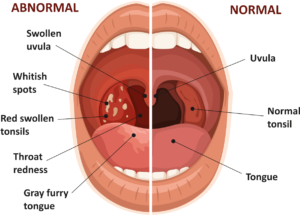
There is certainly evidence that tonsillitis may promote quinsy featuring viral aetiology. Among precipitating factors are local and general hypothermia and decreased organism reactivity.

Farsightedness
The degree of hypermetropia in adults does not change. However, impaired accommodation may deteriorate vision at close distances with age.
History of colonic irrigation
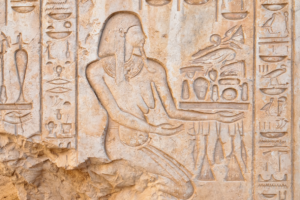
Along with educated and skilled hygienists, colonic irrigation has become a valuable adjunctive modality for the physician in treating disease. Colon hydrotherapy is still relatively unknown and misunderstood at the time of this writing.
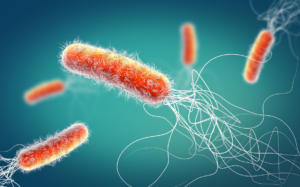
Pseudomonas aeruginosa
Pseudomonas aeruginosa contamination gives rise to 15-2-% nosocomial infections. Besides, it's responsible for one-third of all urogenital disorders in urogenital patients.

Migraine
A migraine causes paroxysmal unilateral headaches accompanied by vomiting. Complex biochemical changes, for example, an increased amount of serotonin and prostaglandin in the blood plasma, provoke a short spasm of the intracranial vessels followed by a continuous expansion of the extracranial arteries.

Respiratory infection
Moderately expressed symptoms of general intoxication, predominant affection of the respiratory tract's upper departments, and benign progress exemplify those changes.
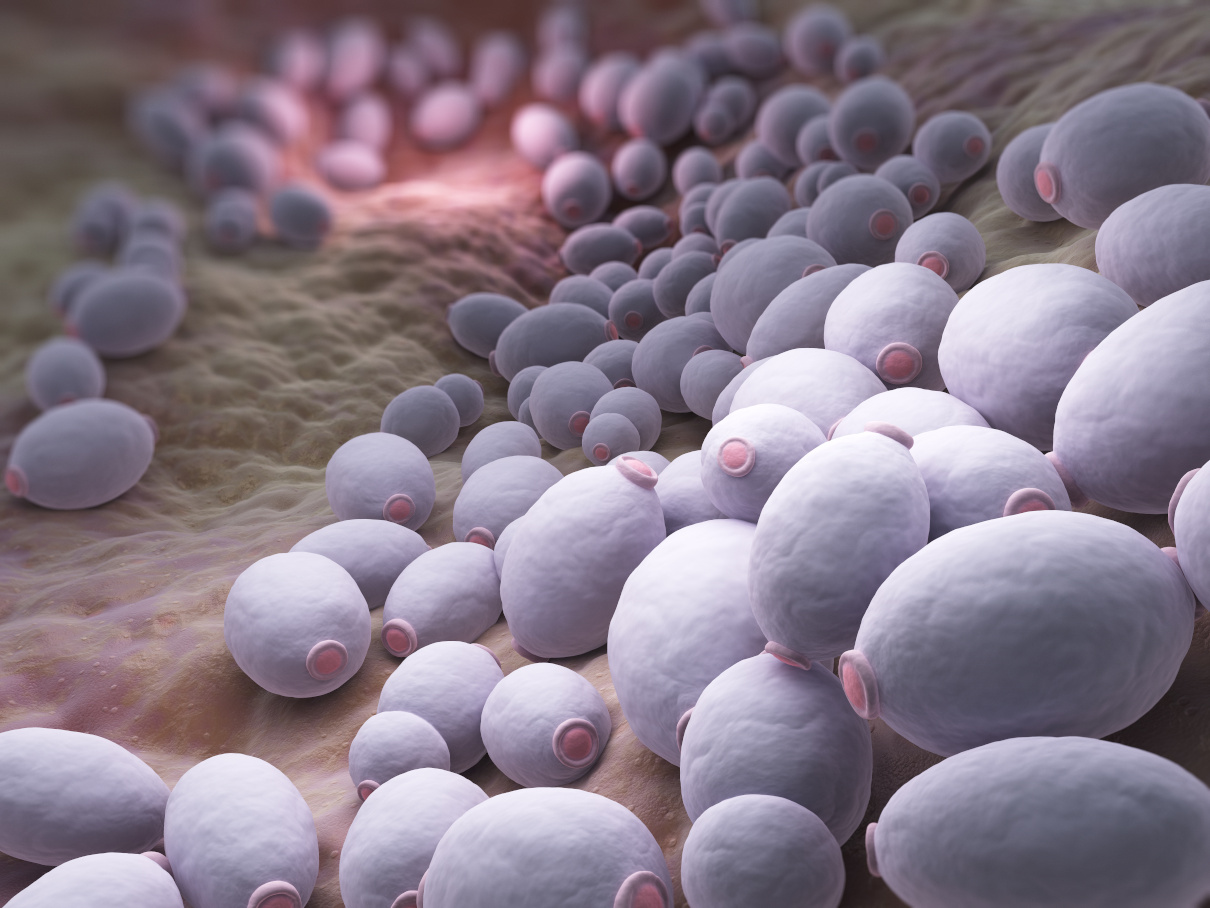
Candida Albicans
The microbial cenosis disturbance causes excessive growth of Candida Albicans due to the disproportional use of broad-spectrum antibiotics or a change in the surrounding microflora composition.
Cytomegalovirus
Some experts also believe there can be an airborne transmission of cytomegalovirus or through urine. Perinatal contamination can be observed in one per cent of neonates, often with subclinical manifestations.
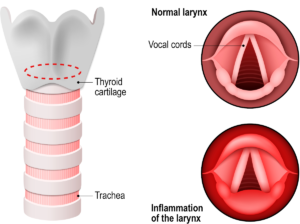
Laryngitis
Laryngitis is an inflammation of the larynx mucosa. The disease can be acute and chronic. Acute laryngitis is usually isolated. As a rule, it is a variation of acute respiratory disease, flu, scarlet fever and pertussis. It is promote by general and local hypothermia, voice overstrain, inhalation of dusty air, irritating steams and gases, undernutrition, smoking, immoderate drinking, etc.

Diffuse goitre
Toxic diffuse goitre (Graves'-Basedow's disease) is a disease marked by the thyroid gland's hyperplasia and hyperfunction. Hereditary factors, infections, intoxications, psychemical traumas, etc., may also prompt that condition.

Hypotension
In case of hypotension, systolic pressure is below 100 mm Hg, while diastolic pressure is below 60 mm Hg. Arterial hypotension can be primary and secondary.

Adiposity
Adiposity can be alimentary-constitutional, hypothalamic and endocrine. Alimentary-constitutional fatness is of family type and, as a rule, affects the members of one family or their blood relatives: regular hyperalimentation, improper nutrition, lack of physical exercise, etc., cause it.
Idiopathic hypertensia
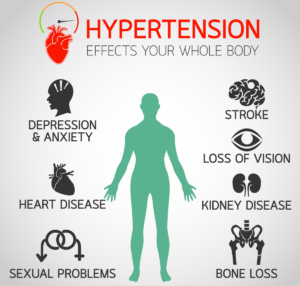
IDIOPATHIC HYPERTENSIA will develop, providing some adverse external factors accompanying a hereditary predisposition. Besides, epidemiological researches confirm that obesity and high arterial pressure are linked.

Radiculitis
Radiculitis causes painful, motor and vegetative disturbances caused by the affection of the spinal cord roots owing to osteochondrosis.
Fibromyalgia and the difficulties in diagnosing and treating
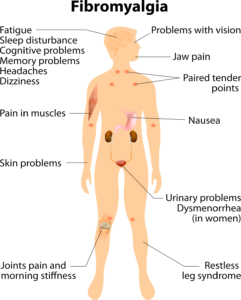
Fibromyalgia is a chronic disorder characterised by muscle pain, fatigue, stiffness and tenderness of the muscles, tendons and joints. Formerly known as fibrositis, fibromyalgia is marked by an extremely low pain threshold. And while the inflammation of surrounding tissue does not cause it, fibromyalgia can be affected by outside factors, including emotional stress, noise and even the weather.