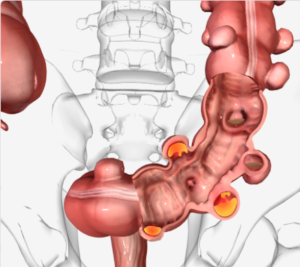
The British Journal of Clinical Practice says, "A high-fibre diet is effective in treating diverticulitis disease." Research shows that fibre is essential for the prevention and treatment of diverticulitis.
Worried about the amount of fat you eat? Many people have become so obsessed with the fat content of food they are eating almost completely fat-free diets. But for good health, we need fat as much as protein, carbohydrates, vitamins & minerals in our diet. It is the type of fat that's important.
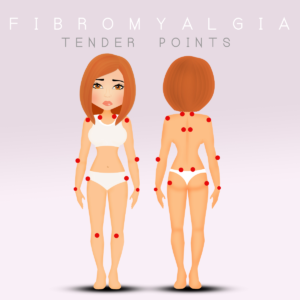
Fibromyalgia syndrome (FMS) is a rheumatic disorder characterised by chronic, achy muscular pain without obvious physical cause. It most commonly affects the lower back, neck, shoulders, back of the head, upper chest and/or thighs â although any area of the body may be involved.
Caffeine can interfere with mineral absorption and increase the pancreas's insulin, leading to hypoglycaemia. It may also seriously affect the digestive system.
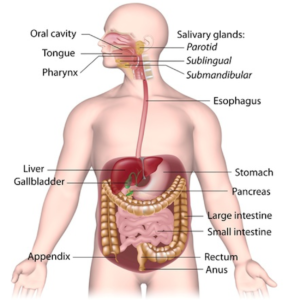
Every cell in the human body needs carbohydrates, fats, proteins, vitamins, water, and minerals. They are necessary to perform the daily metabolic processes involved in maintaining a living system. Secondly, our digestive system extracts most of these substances from our food as it passes through the digestive tract.
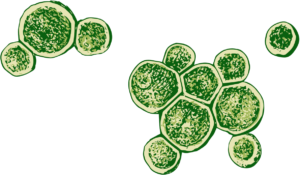
Chlorella is a powerful detoxification aid for heavy metals and other pesticides. Numerous research projects in the U.S. and Europe indicate that Chlorella can also aid the body in breaking down persistent hydrocarbon and metallic toxins such as mercury, cadmium and lead, DDT and PCB while strengthening the immune system response. In Japan, interest in Chlorella has mainly focused on its detoxifying properties - its ability to remove or neutralize poisonous substances from the body.
The principle behind HEALTHY EATING stresses the importance of eating foods as close to a natural state as possible. Varying the diet is also important - variety offers a wider range of nutrients.Some foods are mucus forming.  Avoid chocolate, full cream milk, white bread, red meat, cheese, pastries, cakes and biscuits.
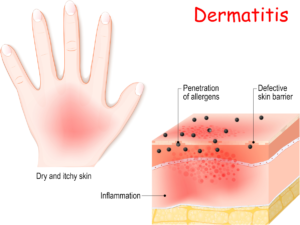
Eczema is a chronic allergic skin disorder that may begin between one month and one year, often subsiding by age three but flaring up again at any age. Eczema typically manifests on the skin of the hands, scalp, face, back of the neck, or creases of elbows and knees. Scratching or rubbing may lead to darkened, hardened areas of thickened skin with accentuated furrows, most commonly seen on the front of the wrists, elbows, and back of the knees.