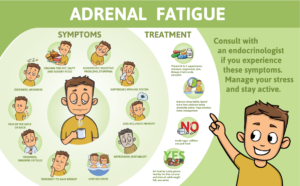
Balanced nutrition is essential to maintaining overall good health, but it also can affect your capacity to cope with stress. When you are going through a period of stress, you need more nutrients, particularly the B vitamins, which affect the nervous system, and calcium, which is necessary to counteract the lactic acid your tense muscles produce. Likewise, if you lack nutrients, your body will not be equipped to handle stress effectively.
The penetration of the virus led to the shutdown of several genes associated with the reaction of cells to interferons. Those are complex protein molecules that are simultaneously capable of neutralizing viral particles. At the same time, they are activating immunity in already infected and still healthy cells.
Leading doctors reported on the nutrition of a COVID-19 patient and advised avoiding some foods. According to a doctor, if a person has had a viral infection, he may complain of weakness, malaise, and decreased performance for a week. Such patients are not advised to consume fatty foods or drink strong alcohol.
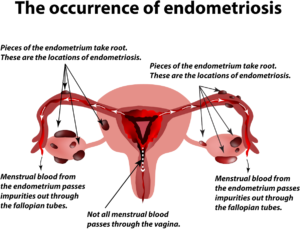
Some of the symptoms experienced are painful periods, intercourse, urination and/or defecation; PMS; infertility; and alteration to cycles. Endometriosis is a condition that affects each sufferer differently. Whilst one has pain during her period, another woman may have it throughout the month. Sexual relationships can be difficult because of internal pain.Â
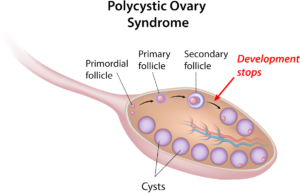
Polycystic ovary syndrome or PCOS is a disorder of the endocrine system, a network of glands that produce potent chemical messengers called hormones. These hormones control many aspects of normal body functioning, and imbalances in their activity can result in mild to severe health consequences. In PCOS, hormone imbalances primarily affect female reproductive function and represent the primary cause of female-related infertility.
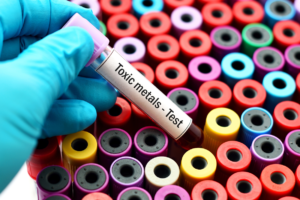
Mercury, cadmium, lead and arsenic are known to be particularly insidious. Symptoms may not appear until later in life. They affect many biochemical processes and disrupt metabolism.
Much has already been mentioned concerning the liver and its various functions. Here, the concentration will be on the defensive function of the liver, hepatic malfunctions attributed to intestinal toxaemia and subsequent infection of other organs due to liver disability.
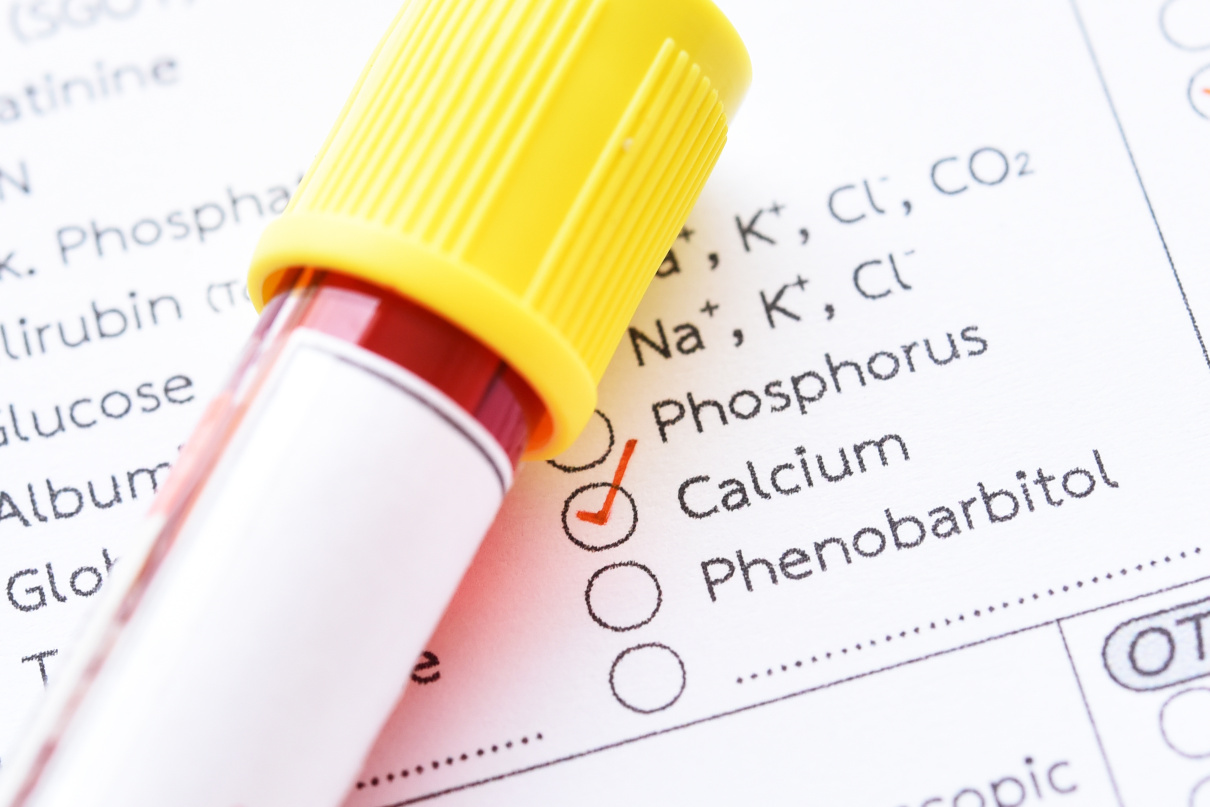
SERUM CALCIUM - Makes it possible to evaluate disorder of calcium metabolism. Increase of concentration can be established at malignant tumors (osteolisis resulting from release of peptides with action similar to action of thyritropic hormone), primary hyperfunction of parathyroid glands, overdosage of D vitamin, myeloma, chronic enteritis (IVth stage).
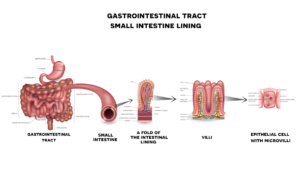
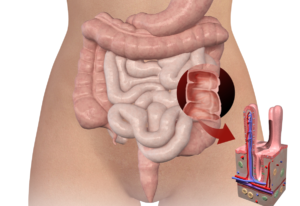
Three types of intestinal movements have been described. Peristalsis is a slow, wavelike muscular contraction that pushes chyme through the tube. Rhythmic segmentation involves circular muscle contractions at alternate points around the chyme; this helps mix the chyme and the intestinal juices. Pendular movement involves the alternate contraction of circular and longitudinal muscles in the intestine; this also increases the mixing of chyme and intestinal juices.
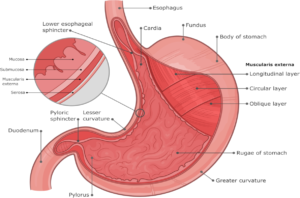
The stomach serves as a food reservoir, a site for mechanical and chemical digestion, and as an absorption site for alcohol, water, and some salts. Two to three liters of gastric juices (water, salts, mucins, HC1, pepsin, rennin, and perhaps gastric lipase) are secreted by the stomach each day. Secretions arise from gastric glands located in the stomach's mucosal layer. They are composed of chief cells which secrete pepsin and rennin, parietal cells which produce HC1, and mucous cells which secrete mucin.
A basic osteopathic principle is that the body can heal itself. Therefore, the osteopath aims to help restore proper structure through soft tissue massage, mobilisations, joint manipulations and other techniques.
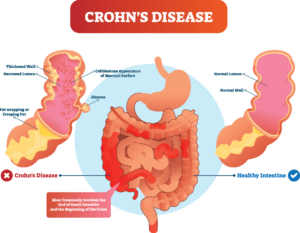
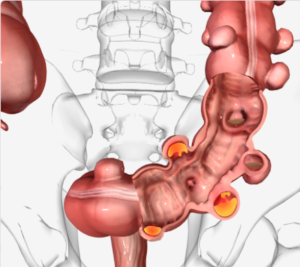
Inflammatory bowel disease (IBD) is a general term for a group of chronic inflammatory disorders of the intestines characterised by recurrent inflammation in specific parts of the intestines. The main diseases are Crohns disease and ulcerative colitis.
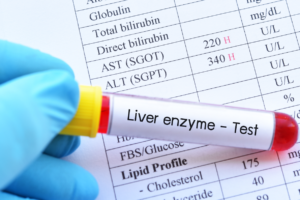
It helps in cardiac surgeries, angiocardiography (catheterization of heart vessels), clotting of pulmonary arteria, severe attacks of stenocardia, tachyarrhythmia, viral hepatitis, and toxic damage to the liver.
This chronic condition is a combination of attacks of diarrhoea and intermittent constipation. It can involve disturbance of muscular movement in the large intestine. The cause of irritable bowel syndrome (IBS) is unknown but the disorder can be aggravated by stress, and may be linked to sensitivity to particular foods. Other symptoms of IBS include abdominal cramps, bloating, and passage of mucus with the faeces.
Excessive alcohol consumption: causes a rapid increase in blood sugar levels, which causes urinary calcium levels to rise and leads to increased urinary excretion of calcium.
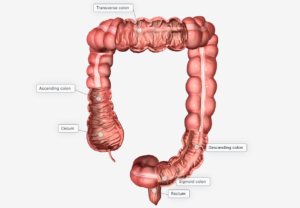
Intestinal movements are of four types: haustral churning, peristalsis, mass peristalsis, and antiperistalsis. Also, haustral churning involves a haustrum's filling, distension and contraction. It moves chyme from one haustrum to the next. Peristalsis is the slow, wavelike contractions of the longitudinal and circular muscles.
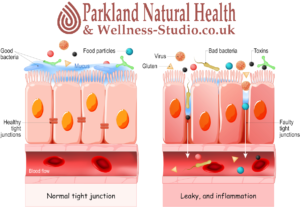
A leaky gut can seriously compromise health, not just severe and chronic allergic illness or acute digestion symptoms. Nutrients may not have found their way into the circulation and cells due to years of malabsorption because of damage to the gut lining.
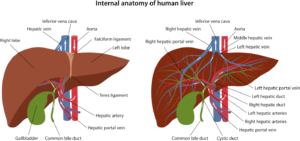
The liver is the largest organ in the body and is located directly below the diaphragm. It is a multilobular organ but can be grossly divided into right and left regions. It has several vital functions, only one related to digestion.
Meal Suggestions Breakfast:
- wholemeal or rye toast, butter, fruit spread, natural yoghurt;
- homemade muesli with oats, nuts, and seeds soaked overnight in water + yoghurt.
According to its inventors, Oberon "allows diagnosing pronounced not only pathological processes but also the earliest forms of the diseases or predisposition to them," however it "does not belong to the class of medical equipment and consequently does not have to be registered with the committees for certification and licensing of medical-purpose equipment."
Thus, sufferers with insufficient stomach acid absorb only about 4% of an oral dose of calcium carbonate. However, it is the most widely utilised calcium for nutritional supplements.
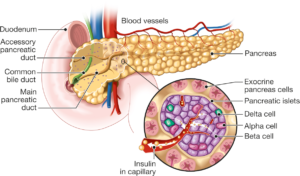
Pancreas - this organ is located between the greater curvature of the stomach and the duodenum. It is both an endocrine and exocrine gland. It is composed of granular-like epithelial cells forming two masses.
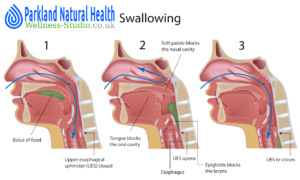
The last four centimetres of the oesophagus is the cardiac sphincter. So, it is a muscular valve preventing the stomach contents from re-entering the oesophagus.
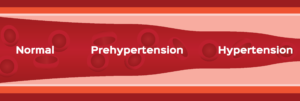
Stress is a significant factor in hypertension. Chemicals such as adrenaline and noradrenaline are released into the bloodstream, increasing heart rate, breathing and blood pressure.
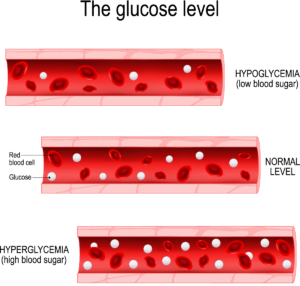
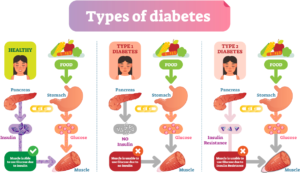
Hypoglycaemia is low blood sugar. Normally, the body maintains blood sugar levels within a narrow range through several glands and their hormones. When these finely balanced control mechanisms are disrupted, hypoglycaemia (low blood sugar) or diabetes (high blood sugar) may result.
Maintaining the oncotic blood plasma pressure is the primary function. Therefore, the oncotic pressure decreases with a decrease in albumin content in the plasma.
Type As flourish on vegetarian diets. It is also important for Type As to get their foods in the as natural state as possible â fresh, pure and organic. Type As are biologically predisposed to heart disease, cancer and diabetes. Following a Type, A diet can supercharge their immune system and potentially short-circuit the development of life-threatening diseases.
Hypoglycaemia (low blood sugar): Refined carbohydrates and sugars are rapidly digested and raise blood sugar levels very quickly, well above the safe range.
The bowel structure is made from smooth muscle. It is different from regular body muscle in as much as it is under autonomic nerve regulation. We have no conscious control over it when it's usually working.
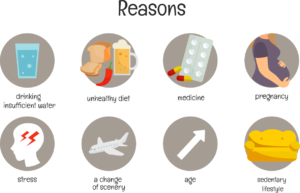
The most common cause of constipation is a diet low in fibre found in vegetables, fruits, and whole grains and high in fats found in cheese, eggs, and meats.
Pathology affects men and women equally and seems to run in some families. About 20 per cent of people with Crohn's disease have a blood relative with some form of inflammatory bowel disease.
The British Journal of Clinical Practice says, "A high-fibre diet is effective in treating diverticulitis disease." Research shows that fibre is essential for the prevention and treatment of diverticulitis.