The condition of Dysbacteriosis of the intestine is familiar to almost everyone. It refers to what modern medicine most often calls the consequence of an external factor, including any disease, causing the composition.
Intestinal obstruction is a serious condition in which the patency of the small or large intestine is partially or completely impaired, which prevents food and liquids from passing through it.
The fact that one in four people suffer from irritable bowel syndrome (IBS) makes it one of the most common medical conditions in the world. However, only one in three affected people apply for help. The disease is also known as intestinal neurosis.
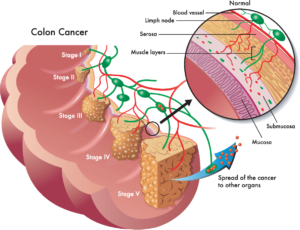
An individual Treatment of bowel cancer plan for bowel cancer is made for each patient, taking into account the location of a tumour, its size, prevalence, the general condition of the patient and their individual characteristics. Oncology of the intestine can be in several types: superficial, localised or metastasising.
The intestines are part of the digestive system. It comprises two parts: the small intestine and the large intestine. The large intestine is also made up of both the rectum and the colon. The symptoms of bowel cancer allow us to detect it faster than if there were none.
The body's immune system exists to fight against all matter of pathogens and foreign bodies, including cancer cells. It can mainly cope independently when dealing with microbes and viruses, but unfortunately, worms and tumours are too uncontrollable for it.
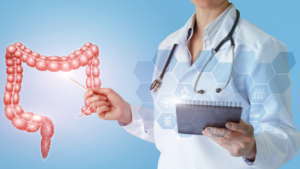
The intestine is an organ located in the abdominal cavity, which performs digestive and excretory functions. According to the human anatomy, the intestine is divided into two segments: the large intestine and the small intestine.
According to medical specialists, monitoring the cleansing of the intestine's lower and upper divisions can solve many digestive problems, including permanent constipation, irritation of the bowel, and inflammatory processes.
This study showed the mechanism of vitamin C inhibition for pigs' reproductive toxicity and hematologic toxicity caused by ZEN. And which gave new ideas for reducing the harm of mycotoxins to animals by regulating nutrition.
Colonic Hydrotherapy in London is a modern method of cleansing the intestines. In modern urban environments, people are exposed to many unfavourable factors (e.g. bad ecology, stress, unhealthy lifestyle, fast food craze, hypodynamia) that directly affect the condition of peopleÂs internal organs, especially the intestines.
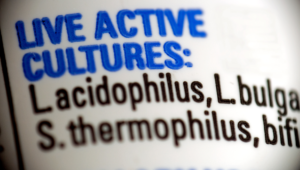
New epidemics, mysterious infections that have never been heard about, now collect abundant deadly harvest - yet in the underdeveloped regions of the Earth. Is it possible to build a reliable barrier against these threats? Scientists claim that it is. These are probiotic drugs or so-called live preparations.
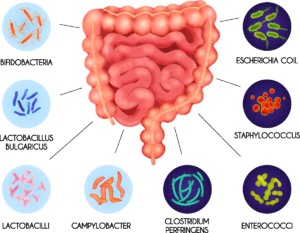
Intestinal bacillus with reduced enzymatic activity (lactose-negative) signifies the beginning of dysbacteriosis. It is also an indirect sign of the possible presence of intestinal worms or protozoa.
Colonic Hydrotherapy of the intestine is an apparatus purification procedure in which the large intestine is irrigated (washed) with a large amount of liquid.
Comments, from patients with constipation, on the bowel movement. Proper functionality of the digestive and excretory organs is crucial for the human body to stay healthy, though the majority of the whole population has constipation. It affects about 30-50% of adults and 20-25% of children.Â
Constipation is a disruption of the functionality of the colon, which causes delayed or inefficient excretion of waste from the body.
Detection of the candida fungi in the throat does not always indicate the presence of a disease. Sometimes, it is in the form of a carrier for which no specific treatment exists.
Candidiasis of the colon is an infectious lesion in the digestive tract caused by the fungi content in the victim's body (Candida spp.) and their weak immune system. Forms of intestinal candidiasis vary depending on the dilution of the stool, increase in flatulence, intensity of vague abdominal pain, ulcerative colitis and fungal sepsis.
Intestinal cleansing beneficially normalizes the condition of the large & small intestines, liver and kidneys and has a powerful healing effect on the entire body.
Gastrointestinal disorders are responsible for more than fifty million doctor visits. That is undoubtedly the most significant number of hospitalisations for any other category of medical problems today.
It's no secret that our food is far from ideal - even if you buy only natural products in the store and prepare the food yourself, you still consume a bunch of chemicals, nitrates and pesticides, as well as antibiotics and other preservatives that are contained inside our vegetables, fruits, meat, fish and other products. Herbs for cleansing the intestines have been used in medicine for many decades.
The intestine is the organ in our body that accumulates the most waste over time, so it must be cleaned occasionally to keep it functional if you have a healthy lifestyle. Then, it is recommended that the colon be cleansed at least once a year. However, if your diet is rich in fibre and poor in hydrogenated fats and semi-finished products, you will likely not have intestinal intoxication. Colonic Hydrotherapy: cost and quality.
Professional colonic irrigation is one of the most effective treatments against many diseases and a way to restore your natural health. According to scientific research, a significant part of all pathologies is caused by violating the function of the digestive system. When the colon is particularly affected, it changes the body's metabolic processes, causes gastrointestinal tract and circulatory system diseases, and forms various allergic reactions.
Gastroenteritis can also be one of the symptoms of certain diseases. The causative agents of infectious and parasitic diseases are allocated to the external environment together with faeces, often in huge quantities.
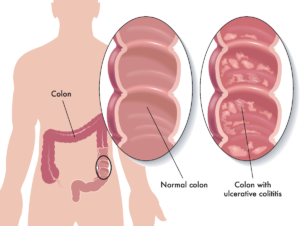
Acute colitis occurs quickly and is especially painful, chronic - long and sluggish. Besides, acute inflammation of the colon often co-occurs with the inflammation of the small intestine (enterocolitis) and stomach (gastritis).
The intestine is the digestive system organ absorbing nutrients from the food you eat into the blood. The whole organ includes both the small and large intestines. The small intestine digests the food, while the large intestine absorbs water from the undigested remnants, forming a stool.
Healthy people release about six hundred ml of gas daily, giving it an unpleasant smell. The intestinal microflora decomposes undigested portions of food in the gut.
The intestine is a vital organ in the body, as it holds approximately 80% of all elements and microorganisms that are part of the body's immune system. These bacteria contribute to your metabolism and protection against toxins. Scientists indicate digestive disorders by inspecting the condition of the skin, liver and many other organs. Detoxification of the intestine needs.
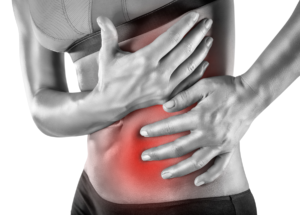
Constant abdominal cramps, diarrhoea, and constipation are common and familiar to almost everyone. Those who experience these symptoms do not always find it necessary to go to the doctor, as most assume that simple and easily curable digestive disorders cause them.
Group B streptococci or STREPTOCOCCUS AGALACTIA colonize the nasopharynx, digestive tract and vagina. Most isolators are identified as S. agalactia. Even though the microorganism can be isolated from the vagina in 25-45% of pregnant women, the main reservoir is the digestive tract.
Colon cancer appears more frequently in women, and rectal cancer is higher in men. Periodic cleansing would minimise the exposure of potential carcinogens to the colon walls, dilute the toxin concentration in the cecum and facilitate the removal.
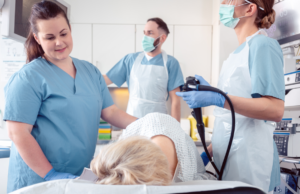
Colonic irrigation is the perfect cleansing medium for preparing the patient for a colonoscopy. It's a much better way of getting the human colon ready for an operation than having a patient swallow a gallon of that usual presurgery solution known as 'Colon-GoLYTELY.'
Laxatives act as chemical irritants and stimulate the muscular walls of the colon to abnormally contract to expel the irritating substances. It is straightforward to become dependent upon these drugs and permanently destroy the normal ability of the colon to eliminate naturally on its own accord. The oral route of administration is the least optimal method of evacuation of the large intestine. Vital digestive processes occurring higher up in the alimentary tract (stomach and small intestine) are interfered with. Most laxatives and other cathartics precipitate dehydration in the patient. Colonic irrigation alternately fills and empties the colon and improves the patient's hydration status. What Common Concerns About Colonic Irrigation?
Theory Of Colonic Irrigation is an extended and more complete form of an enema. The concept involves the mechanical process of infusing warm filtered water into the rectum to clean and balance the colon. This procedure removes faecal material from colon walls and dilutes the bacterial toxin concentration in the large intestine.