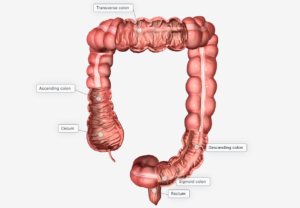
Colonic Irrigation is an extended and more complete form of colon cleansing. It involves the process of infusing warm filtered water into the rectum. Colonic Irrigation improves muscle tone, reduces stagnation and bacterial build-up in the colon and generally promotes colon health. Today with modern technological improvements and trained therapists
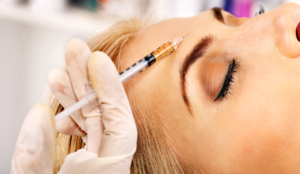
Anti-wrinkle injections Botox® is a simple non-surgical procedure that relaxes the muscles of your face to smooth deep, persistent lines between eye brows, on the forehead and around eyes (Crow's feet). One 10-minute treatment â a few tiny injections will keep muscles relaxed for up to 4 month.
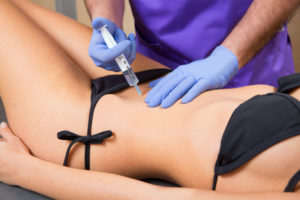
Reduces wrinkles, fine lines, cellulite, and scars appearance, rejuvenates skin, and makes skin look younger and fresher. It is also recommended for small areas of fat reduction.
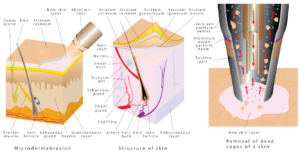
Moreover, this gentle treatment deeply exfoliates the skin using natural diamond-tipped wands. As a result, it improves the appearance of lines and wrinkles. Also, it stimulates collagen production, promotes the growth of healthy new cells, and reduces acne scarring and sun damage.
It combines the latest infra-red technology with heated jade rollers, magnet insertions and a hot rock pad. They also provide the therapeutic effects of Shiatsu massage, acupressure and acupuncture with superior far-infrared.
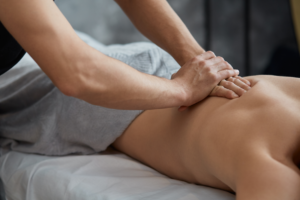
A qualified therapist does Remedial massage, which is a deep massage. It also helps the body return to normal health after an injury or with muscular-skeletal disorders like strains, sprains, bruising, and back pain.
Reflexology involves the application of specific pressure, using fingers and thumbs, to reflex areas over both feet, with particular attention to any imbalances within the body.
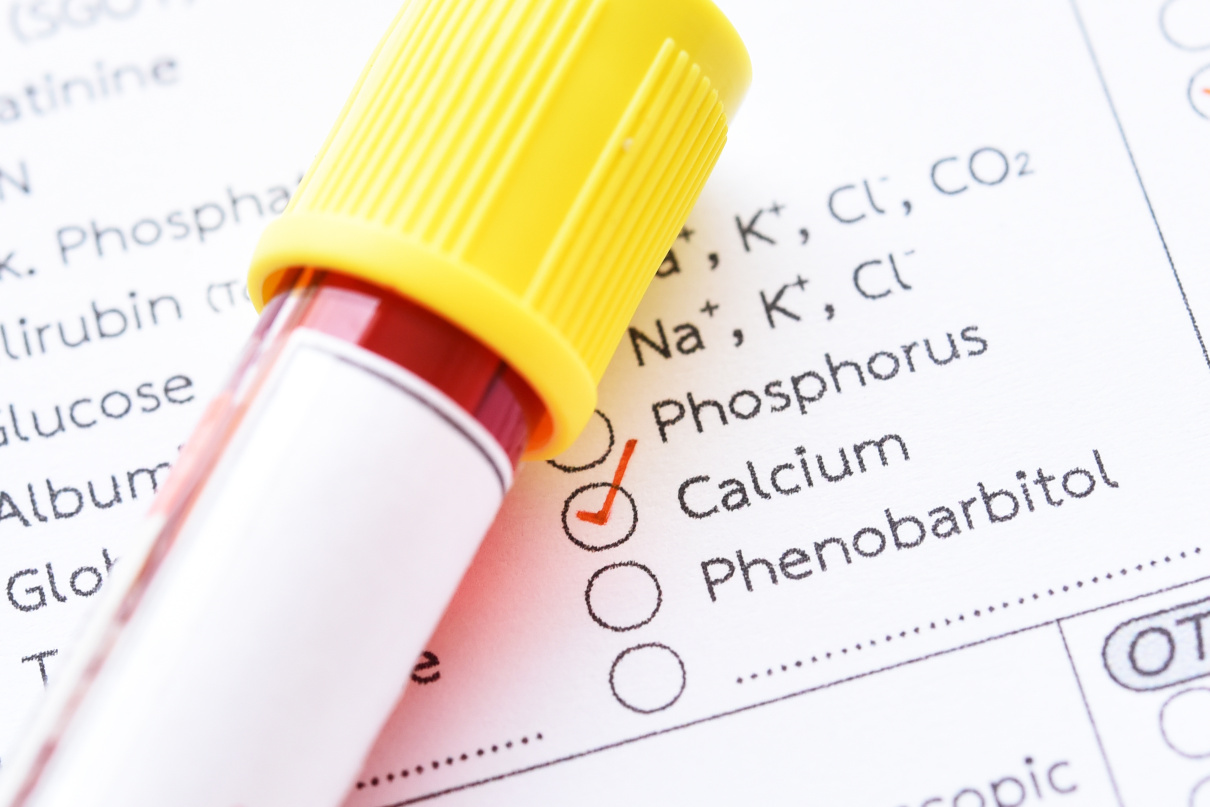
SERUM CALCIUM - Makes it possible to evaluate disorder of calcium metabolism. Increase of concentration can be established at malignant tumors (osteolisis resulting from release of peptides with action similar to action of thyritropic hormone), primary hyperfunction of parathyroid glands, overdosage of D vitamin, myeloma, chronic enteritis (IVth stage).
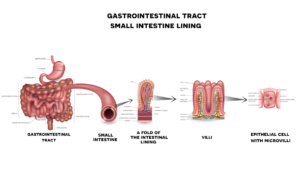
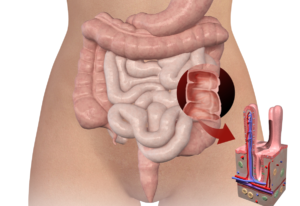
Three types of intestinal movements have been described. Peristalsis is a slow, wavelike muscular contraction that pushes chyme through the tube. Rhythmic segmentation involves circular muscle contractions at alternate points around the chyme; this helps mix the chyme and the intestinal juices. Pendular movement involves the alternate contraction of circular and longitudinal muscles in the intestine; this also increases the mixing of chyme and intestinal juices.
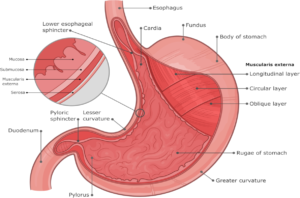
The stomach serves as a food reservoir, a site for mechanical and chemical digestion, and as an absorption site for alcohol, water, and some salts. Two to three liters of gastric juices (water, salts, mucins, HC1, pepsin, rennin, and perhaps gastric lipase) are secreted by the stomach each day. Secretions arise from gastric glands located in the stomach's mucosal layer. They are composed of chief cells which secrete pepsin and rennin, parietal cells which produce HC1, and mucous cells which secrete mucin.
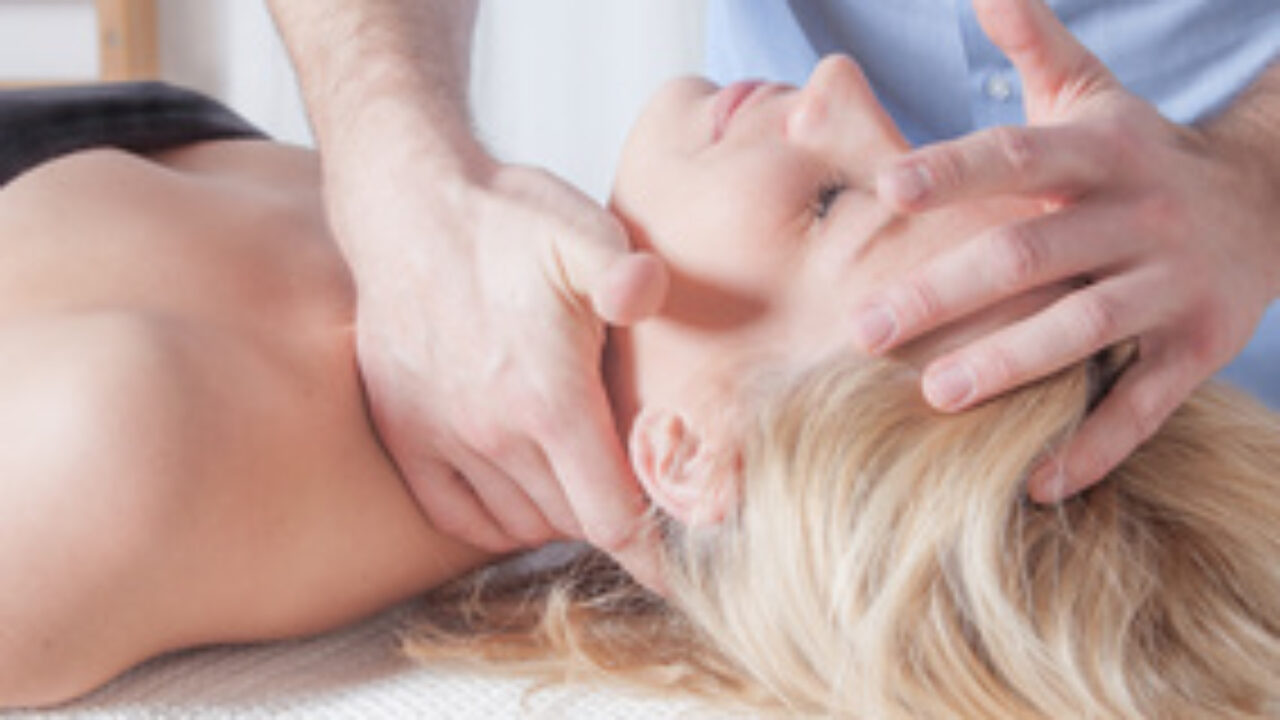
A basic osteopathic principle is that the body can heal itself. Therefore, the osteopath aims to help restore proper structure through soft tissue massage, mobilisations, joint manipulations and other techniques.
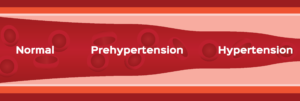
Stress is a significant factor in hypertension. Chemicals such as adrenaline and noradrenaline are released into the bloodstream, increasing heart rate, breathing and blood pressure.
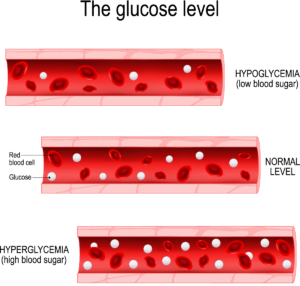
Hypoglycaemia is low blood sugar. Normally, the body maintains blood sugar levels within a narrow range through several glands and their hormones. When these finely balanced control mechanisms are disrupted, hypoglycaemia (low blood sugar) or diabetes (high blood sugar) may result.
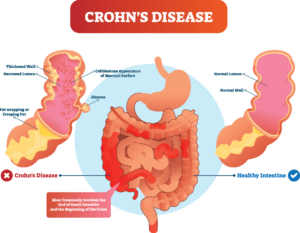
Inflammatory bowel disease (IBD) is a general term for a group of chronic inflammatory disorders of the intestines characterised by recurrent inflammation in specific parts of the intestines. The main diseases are Crohns disease and ulcerative colitis.
This chronic condition is a combination of attacks of diarrhoea and intermittent constipation. It can involve disturbance of muscular movement in the large intestine. The cause of irritable bowel syndrome (IBS) is unknown but the disorder can be aggravated by stress, and may be linked to sensitivity to particular foods. Other symptoms of IBS include abdominal cramps, bloating, and passage of mucus with the faeces.
Excessive alcohol consumption: causes a rapid increase in blood sugar levels, which causes urinary calcium levels to rise and leads to increased urinary excretion of calcium.
Intestinal movements are of four types: haustral churning, peristalsis, mass peristalsis, and antiperistalsis. Also, haustral churning involves a haustrum's filling, distension and contraction. It moves chyme from one haustrum to the next. Peristalsis is the slow, wavelike contractions of the longitudinal and circular muscles.
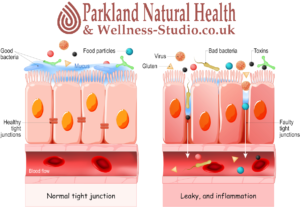
A leaky gut can seriously compromise health, not just severe and chronic allergic illness or acute digestion symptoms. Nutrients may not have found their way into the circulation and cells due to years of malabsorption because of damage to the gut lining.
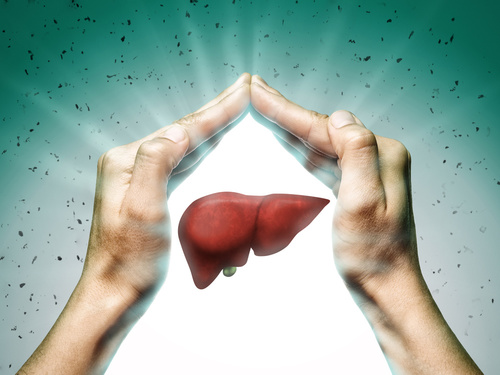
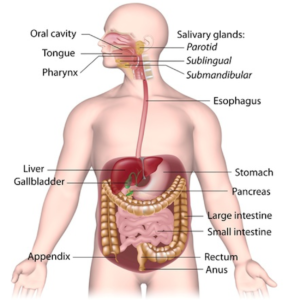
The liver is the largest organ in the body and is located directly below the diaphragm. It is a multilobular organ but can be grossly divided into right and left regions. It has several vital functions, only one related to digestion.
Meal Suggestions Breakfast:
- wholemeal or rye toast, butter, fruit spread, natural yoghurt;
- homemade muesli with oats, nuts, and seeds soaked overnight in water + yoghurt.
According to its inventors, Oberon "allows diagnosing pronounced not only pathological processes but also the earliest forms of the diseases or predisposition to them," however it "does not belong to the class of medical equipment and consequently does not have to be registered with the committees for certification and licensing of medical-purpose equipment."
Thus, sufferers with insufficient stomach acid absorb only about 4% of an oral dose of calcium carbonate. However, it is the most widely utilised calcium for nutritional supplements.
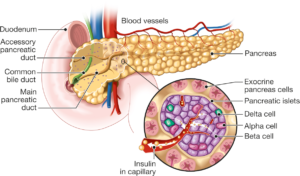
Pancreas - this organ is located between the greater curvature of the stomach and the duodenum. It is both an endocrine and exocrine gland. It is composed of granular-like epithelial cells forming two masses.
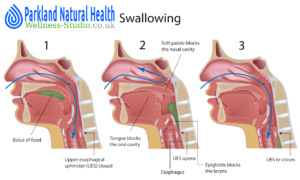
The last four centimetres of the oesophagus is the cardiac sphincter. So, it is a muscular valve preventing the stomach contents from re-entering the oesophagus.
Maintaining the oncotic blood plasma pressure is the primary function. Therefore, the oncotic pressure decreases with a decrease in albumin content in the plasma.
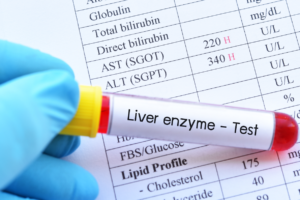
It helps in cardiac surgeries, angiocardiography (catheterization of heart vessels), clotting of pulmonary arteria, severe attacks of stenocardia, tachyarrhythmia, viral hepatitis, and toxic damage to the liver.
Every cell in the human body needs carbohydrates, fats, proteins, vitamins, water, and minerals. They are necessary to perform the daily metabolic processes involved in maintaining a living system. Secondly, our digestive system extracts most of these substances from our food as it passes through the digestive tract.
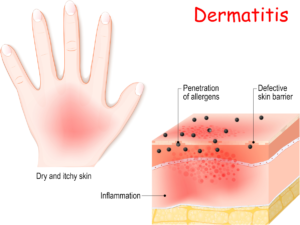
Eczema is a chronic allergic skin disorder that may begin between one month and one year, often subsiding by age three but flaring up again at any age. Eczema typically manifests on the skin of the hands, scalp, face, back of the neck, or creases of elbows and knees. Scratching or rubbing may lead to darkened, hardened areas of thickened skin with accentuated furrows, most commonly seen on the front of the wrists, elbows, and back of the knees.
The most common cause of constipation is a diet low in fibre found in vegetables, fruits, and whole grains and high in fats found in cheese, eggs, and meats.
Pathology affects men and women equally and seems to run in some families. About 20 per cent of people with Crohn's disease have a blood relative with some form of inflammatory bowel disease.