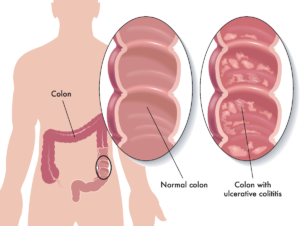
Acute colitis occurs quickly and is especially painful, chronic - long and sluggish. Besides, acute inflammation of the colon often co-occurs with the inflammation of the small intestine (enterocolitis) and stomach (gastritis).
The intestine is the digestive system organ absorbing nutrients from the food you eat into the blood. The whole organ includes both the small and large intestines. The small intestine digests the food, while the large intestine absorbs water from the undigested remnants, forming a stool.
The intestine is a vital organ in the body, as it holds approximately 80% of all elements and microorganisms that are part of the body's immune system. These bacteria contribute to your metabolism and protection against toxins. Scientists indicate digestive disorders by inspecting the condition of the skin, liver and many other organs. Detoxification of the intestine needs.
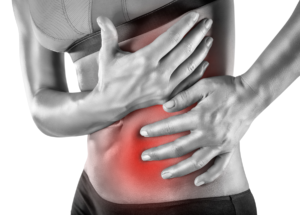
Constant abdominal cramps, diarrhoea, and constipation are common and familiar to almost everyone. Those who experience these symptoms do not always find it necessary to go to the doctor, as most assume that simple and easily curable digestive disorders cause them.
Group B streptococci or STREPTOCOCCUS AGALACTIA colonize the nasopharynx, digestive tract and vagina. Most isolators are identified as S. agalactia. Even though the microorganism can be isolated from the vagina in 25-45% of pregnant women, the main reservoir is the digestive tract.
Colonic irrigation is the perfect cleansing medium for preparing the patient for a colonoscopy. It's a much better way of getting the human colon ready for an operation than having a patient swallow a gallon of that usual presurgery solution known as 'Colon-GoLYTELY.'
Laxatives act as chemical irritants and stimulate the muscular walls of the colon to abnormally contract to expel the irritating substances. It is straightforward to become dependent upon these drugs and permanently destroy the normal ability of the colon to eliminate naturally on its own accord. The oral route of administration is the least optimal method of evacuation of the large intestine. Vital digestive processes occurring higher up in the alimentary tract (stomach and small intestine) are interfered with. Most laxatives and other cathartics precipitate dehydration in the patient. Colonic irrigation alternately fills and empties the colon and improves the patient's hydration status. What Common Concerns About Colonic Irrigation?
Theory Of Colonic Irrigation is an extended and more complete form of an enema. The concept involves the mechanical process of infusing warm filtered water into the rectum to clean and balance the colon. This procedure removes faecal material from colon walls and dilutes the bacterial toxin concentration in the large intestine.
Along with educated and skilled hygienists, colonic irrigation has become a valuable adjunctive modality for the physician in treating disease. Colon hydrotherapy is still relatively unknown and misunderstood at the time of this writing.
A migraine causes paroxysmal unilateral headaches accompanied by vomiting. Complex biochemical changes, for example, an increased amount of serotonin and prostaglandin in the blood plasma, provoke a short spasm of the intracranial vessels followed by a continuous expansion of the extracranial arteries.
Toxic diffuse goitre (Graves'-Basedow's disease) is a disease marked by the thyroid gland's hyperplasia and hyperfunction. Hereditary factors, infections, intoxications, psychemical traumas, etc., may also prompt that condition.
Adiposity can be alimentary-constitutional, hypothalamic and endocrine. Alimentary-constitutional fatness is of family type and, as a rule, affects the members of one family or their blood relatives: regular hyperalimentation, improper nutrition, lack of physical exercise, etc., cause it.