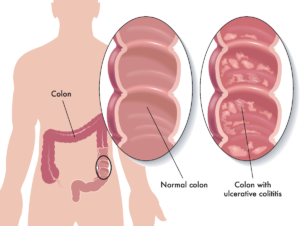
The inflammatory process of the colon is called colitis. Inflammatory bowel disease is the general term for a group of chronic pathologies when a painful process affects the digestive tract.
Many have achieved excellent results by losing weight following extreme diets and fasting. But a significant disadvantage of such methods is hiding in their short-term effect.
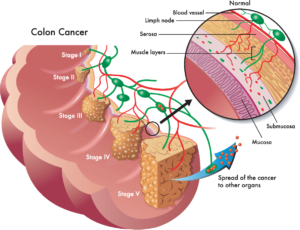
First, the signs of bowel cancer should be identified using instrumental methods of visual examination of the walls of the colon, with ultra-sound or ray methods, without penetrating the body.
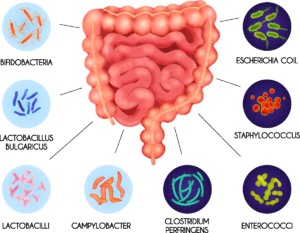
The intestine is not only an organ that digests food. The bacteria that inhabit it are indispensable in protecting the body against infections. The human immune system is 70% dependent on the population of probiotics in the large intestine. We want to tell you what factors affect the intestinal microflora and how to maintain balance and strengthen the body's defences.
A simple but effective method is to start calculating the daily calories consumed. Did you count? Now, we will deal with "hidden accounting", creating almost invisible against the general background, but still, there is an existing budget deficit. Take away 500 calories from your daily result, not immediately, but gradually, within a half to two weeks.
The cleansing procedure is painless and safe. Doctors prescribe it in case of frequent violations of stool formation or if intestinal colic disturbs the patient often.
Healthy people release about six hundred ml of gas daily, giving it an unpleasant smell. The intestinal microflora decomposes undigested portions of food in the gut.
Colon cancer appears more frequently in women, and rectal cancer is higher in men. Periodic cleansing would minimise the exposure of potential carcinogens to the colon walls, dilute the toxin concentration in the cecum and facilitate the removal.
The ancient yogis conceptualized the digestive system as being like a conch. In other words, it is a long spiral-like passageway through which food travels. To clean out the whole digestive system from the mouth to the anus, they invented/discovered a wonderfully clever but straightforward method.
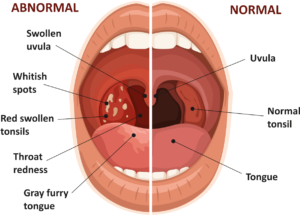
There is certainly evidence that tonsillitis may promote quinsy featuring viral aetiology. Among precipitating factors are local and general hypothermia and decreased organism reactivity.
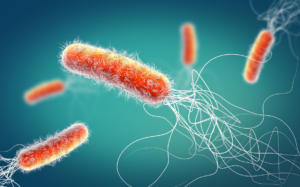
Pseudomonas aeruginosa contamination gives rise to 15-2-% nosocomial infections. Besides, it's responsible for one-third of all urogenital disorders in urogenital patients.
Moderately expressed symptoms of general intoxication, predominant affection of the respiratory tract's upper departments, and benign progress exemplify those changes.
In the case of congenital glaucoma, high intraocular pressure mainly arises from the impaired intraocular liquid outflow because the mesoderm tissue blocks the angle of the forward chamber.
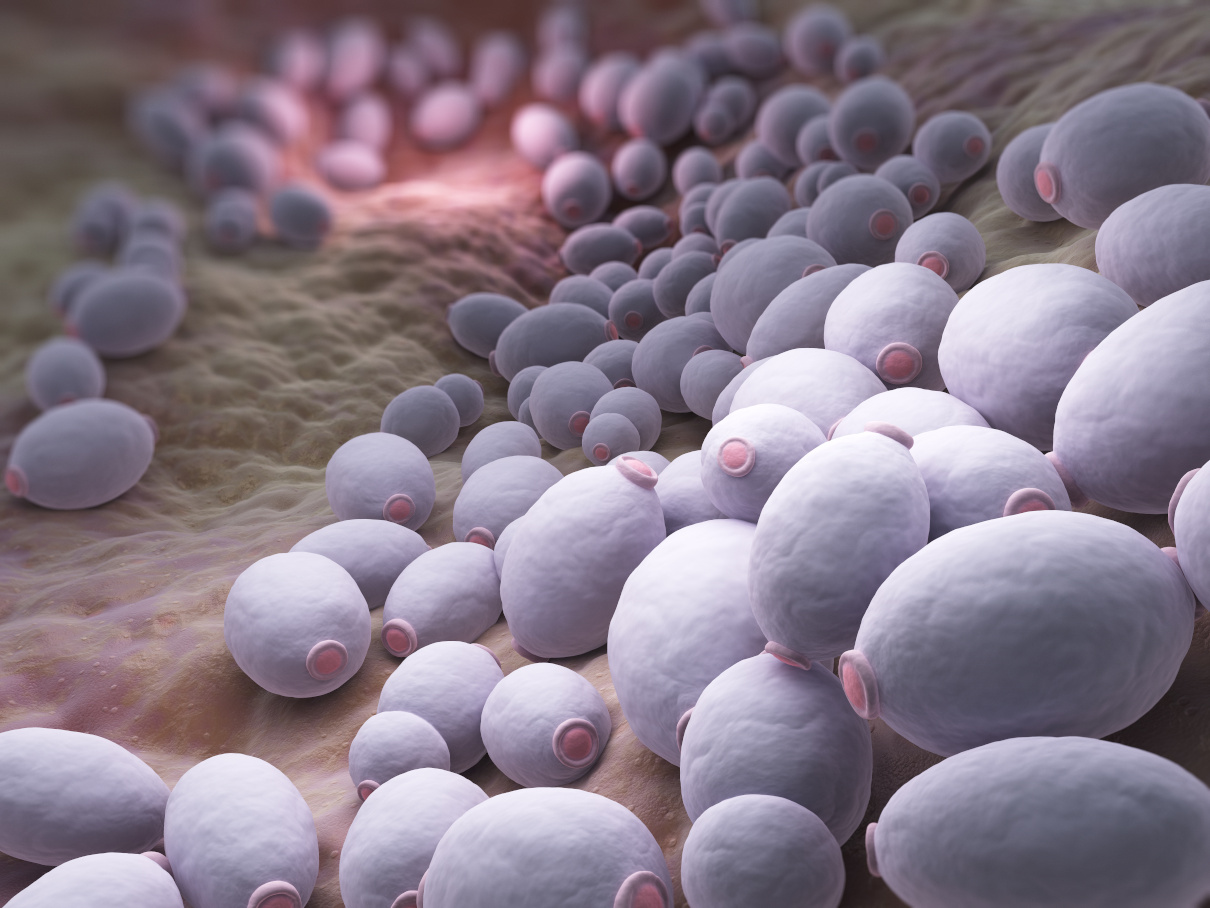
The microbial cenosis disturbance causes excessive growth of Candida Albicans due to the disproportional use of broad-spectrum antibiotics or a change in the surrounding microflora composition.
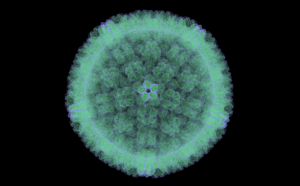
Some experts also believe there can be an airborne transmission of cytomegalovirus or through urine. Perinatal contamination can be observed in one per cent of neonates, often with subclinical manifestations.
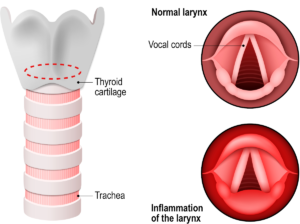
Laryngitis is an inflammation of the larynx mucosa. The disease can be acute and chronic. Acute laryngitis is usually isolated. As a rule, it is a variation of acute respiratory disease, flu, scarlet fever and pertussis. It is promote by general and local hypothermia, voice overstrain, inhalation of dusty air, irritating steams and gases, undernutrition, smoking, immoderate drinking, etc.
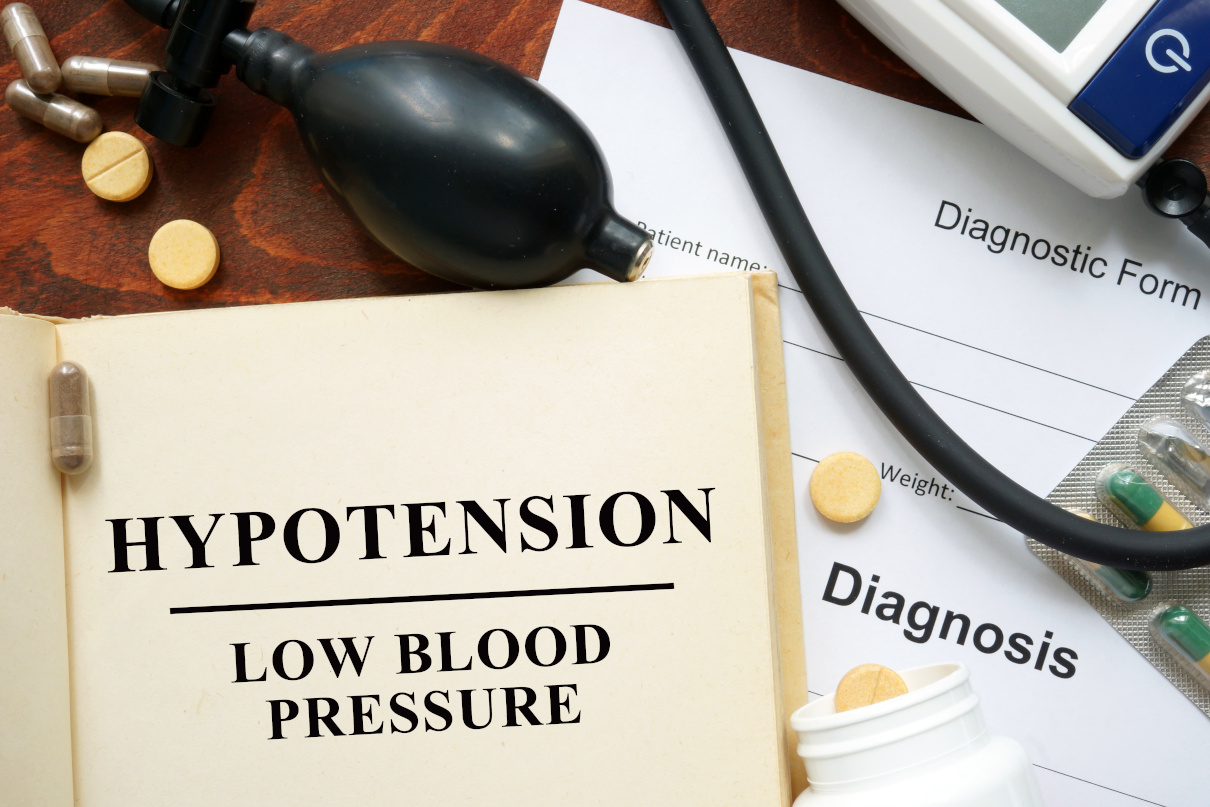
In case of hypotension, systolic pressure is below 100 mm Hg, while diastolic pressure is below 60 mm Hg. Arterial hypotension can be primary and secondary.
Scientists consider anaemia as one of the symptoms of some systemic diseases. Therefore, anaemia is always secondary. Alongside frequent and easily diagnosed forms of anaemia, rare anaemic syndromes require sophisticated diagnostics techniques.
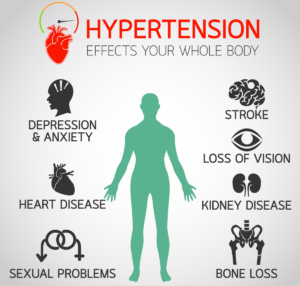
IDIOPATHIC HYPERTENSIA will develop, providing some adverse external factors accompanying a hereditary predisposition. Besides, epidemiological researches confirm that obesity and high arterial pressure are linked.
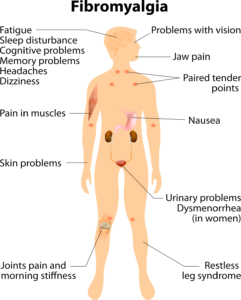
Fibromyalgia is a chronic disorder characterised by muscle pain, fatigue, stiffness and tenderness of the muscles, tendons and joints. Formerly known as fibrositis, fibromyalgia is marked by an extremely low pain threshold. And while the inflammation of surrounding tissue does not cause it, fibromyalgia can be affected by outside factors, including emotional stress, noise and even the weather.